Signs Your Home Needs Rewiring: 10 Warning Signs
Protect your home and family by recognizing these critical electrical warning signs
TL;DR - Quick Summary
Electrical wiring problems cause 24,200 residential fires annually in the United States, resulting in 295 deaths, 900 injuries, and $1.2 billion in property damage. Recognizing warning signs early can save lives and prevent catastrophic damage to your home.
10 Critical Warning Signs: Frequent breaker trips, flickering lights, warm outlets, burning smells, buzzing sounds, outdated wiring types, two-prong outlets, electrical shocks, over-reliance on extension cords, and frequently burning-out bulbs.
When to rewire: Homes 40+ years old should have electrical inspections. Homes built before 1970 likely have outdated wiring. Pre-1950s homes almost certainly need rewiring.
Average rewiring costs: $2,000-$5,000 for small homes, $4,000-$10,000 for medium homes, $8,000-$15,000 for large homes. Timeline ranges from 3-14 days depending on home size.
Critical action: If you notice any warning signs, discontinue use of affected outlets/circuits and call a licensed electrician immediately for a professional safety inspection.
Table of Contents
Most homeowners never think about the electrical wiring hidden behind their walls—until something goes wrong. By then, it's often too late. Electrical fires caused by faulty or outdated wiring claim hundreds of lives each year and cause over a billion dollars in property damage. The tragic reality is that many of these fires could have been prevented if homeowners had recognized the warning signs and taken action before disaster struck.
Your home's electrical system works tirelessly every day, powering everything from your refrigerator to your phone charger. But like any system, it ages. Insulation deteriorates, connections loosen, and wiring that was adequate decades ago becomes dangerously overloaded by modern electrical demands. The problems develop quietly behind walls, giving subtle hints that something is wrong—if you know what to look for.
This comprehensive guide reveals the ten critical warning signs that your home needs rewiring, explains why old wiring is dangerous, breaks down rewiring costs and timelines, and provides actionable steps to protect your family and property. Whether your home was built in 1950 or 1990, understanding these warning signs could save your life.
Why Electrical Rewiring Matters
According to the U.S. Fire Administration, electrical malfunctions cause approximately 24,200 residential building fires every year in the United States. These fires result in an estimated 295 deaths, 900 injuries, and $1.2 billion in property loss annually. The Zebra reports that a house fire occurs every 87 seconds in the United States, with over 22% of non-residential fires being electrical fires caused by short circuits or wiring problems.
The National Fire Protection Association (NFPA) found that electrical wire or cable insulation was the item first ignited in one-third (33%) of home fires involving an electrical failure or malfunction. This statistic underscores a critical point: the insulation protecting your home's wiring doesn't last forever. Over time, it cracks, crumbles, and exposes bare wires that can arc, spark, and ignite surrounding materials.
Beyond the immediate fire risk, outdated electrical systems create other serious problems. Insurance companies increasingly require electrical inspections and upgrades for older homes, and some refuse coverage entirely for homes with knob-and-tube or aluminum wiring. When selling your home, outdated electrical systems can kill deals or force significant price reductions. Home inspectors flag old wiring as a major concern, and buyers either walk away or demand that you rewire before closing.
Modern homes demand far more electricity than homes built 30, 40, or 50 years ago. Consider that a typical 1970s home might have had a television, a refrigerator, and a few lamps. Today's homes power multiple computers, smart home devices, electric vehicle chargers, high-efficiency HVAC systems, and countless other electronics. Old wiring simply wasn't designed to handle these loads safely, leading to overheating, frequent breaker trips, and fire hazards.
Perhaps most importantly, rewiring provides peace of mind. Knowing that your electrical system is safe, up to code, and capable of handling your family's needs eliminates a constant source of worry. You can use your appliances without fear, sleep soundly without wondering if a spark behind the wall might ignite, and protect your most valuable asset—your home and the people in it.
10 Warning Signs Your Home Needs Rewiring
Electrical problems rarely announce themselves with obvious failures. Instead, they give subtle warnings that many homeowners ignore or dismiss. Learning to recognize these ten critical warning signs can help you identify dangerous wiring conditions before they cause serious harm.
Warning Sign #1: Frequent Circuit Breaker Trips
Circuit breakers are designed to trip occasionally when circuits become overloaded—it's their job to protect your home from electrical fires. However, if you find yourself walking to the breaker panel more often than you'd like, your electrical system is sending you a clear message: it's under more strain than it can comfortably handle.
This problem is especially common in older homes that weren't designed for today's electrical demands. A home built in the 1960s might have been wired for 60 or 100 amps of service, adequate for the appliances of that era. Today's homes typically require 200 amps or more to safely power air conditioning systems, electric ranges, computers, and the dozens of other devices we use daily.
When breaker trips become routine—happening weekly or even daily—the problem isn't just inconvenient, it's dangerous. While resetting the breaker restores power temporarily, it doesn't address the underlying issue: your wiring is working harder than it should, generating excess heat, and potentially degrading insulation that protects against electrical fires. This is when a professional inspection becomes essential.
Warning Sign #2: Flickering or Dimming Lights
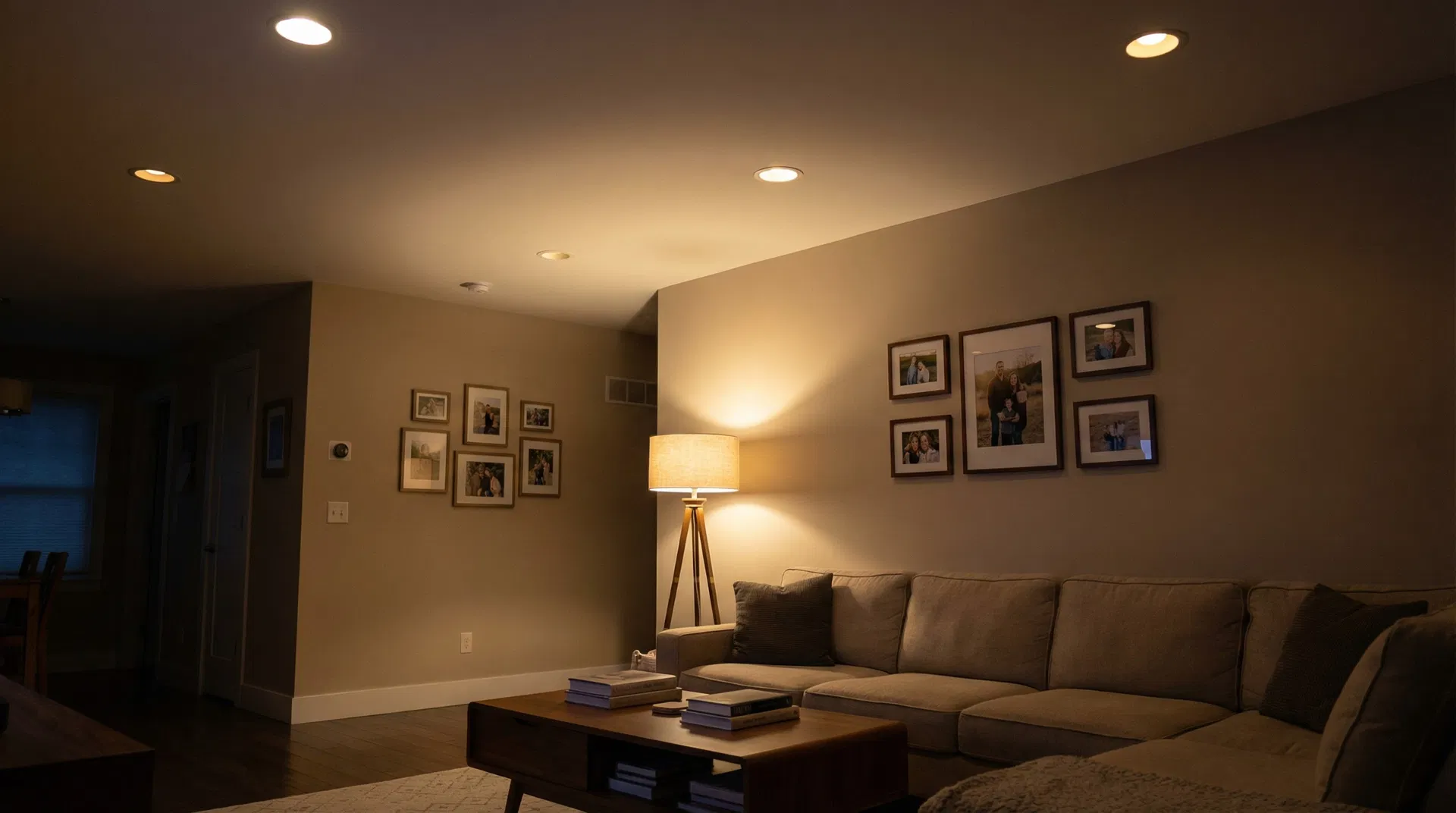
Flickering or dimming lights are easy to ignore. Many homeowners chalk it up to an old bulb or a passing power fluctuation from the utility company. In reality, this symptom often points to loose wiring, aging connections, or overloaded circuits—all of which can be dangerous.
Pay special attention to when the flickering occurs. If lights dim when the air conditioner kicks on, when you run the microwave, or when several appliances operate simultaneously, your electrical system is struggling to distribute power properly. This indicates that circuits are overloaded or that connections aren't making solid contact, causing resistance that manifests as dimming lights.
While occasional flickering during storms or utility work is normal, consistent or frequent light dimming is not. This inconsistency in power delivery stresses your electrical system, shortens the life of your appliances and electronics, and indicates underlying wiring problems that need professional evaluation. Don't dismiss flickering lights as a minor annoyance—they're often your electrical system's way of crying for help.
Warning Sign #3: Warm or Hot Outlets/Switches
This warning sign tends to catch people by surprise because it violates a fundamental rule: outlets and switches should never feel warm to the touch. Even mild warmth indicates that electricity is not flowing safely behind the wall. Heat is one of the biggest warning signs in an electrical system—it means resistance, poor connections, or overloaded circuits are generating thermal energy that shouldn't exist.
When you plug in a device or flip a switch, the outlet or switch plate should remain cool. If it feels warm—or worse, hot—electricity is encountering resistance somewhere in the connection. This resistance generates heat, which can melt wire insulation, damage outlets, and ignite surrounding materials. The danger escalates quickly because the heat is often concentrated in a small area where flammable materials like wood framing and insulation are present.
If you notice warmth at an outlet or switch, the safest move is to stop using it immediately and schedule a professional evaluation. Don't wait to "see if it gets worse"—by the time it gets noticeably worse, you may be dealing with an electrical fire. This is an emergency warning sign that demands immediate attention from a licensed electrician.
Warning Sign #4: Burning Smell or Discolored Outlets
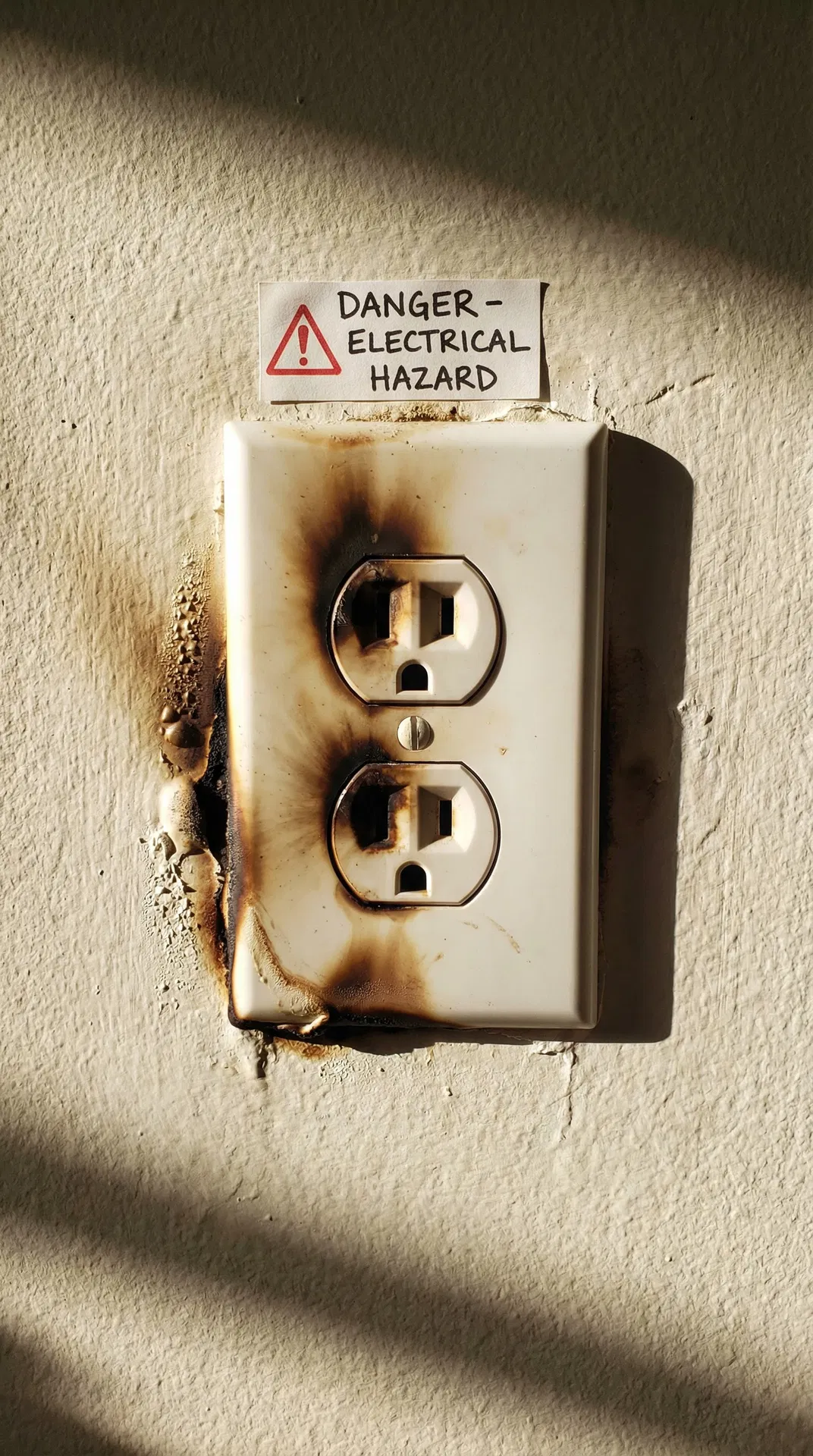
A burning smell is never something to ignore, even if it fades quickly. Sometimes it's accompanied by visible discoloration—brown or black scorch marks—around an outlet or switch. Other times, the smell is the only clue that something is seriously wrong. These signs usually point to damaged wiring or overheating components hidden from view behind the wall.
The burning smell comes from wire insulation, plastic outlet components, or surrounding materials beginning to melt or char from excessive heat. This is an advanced stage of electrical failure—the system has been overheating for some time, and the smell indicates that materials are reaching their ignition temperature. Scorch marks around outlets show that arcing or sustained heat has already caused visible damage.
If you notice a burning smell or see discoloration around any electrical component, discontinue use immediately and contact a licensed electrician. Do not use that outlet, switch, or circuit until a professional has inspected it and made necessary repairs. Electrical issues involving heat tend to escalate rather than resolve on their own—what starts as a smell can quickly become a fire.
Warning Sign #5: Buzzing, Crackling, or Humming Sounds
Your electrical system should be quiet. If you hear buzzing, crackling, or humming from outlets, switches, or the breaker panel, that noise is often coming from loose connections or deteriorating wiring. These sounds indicate that electricity is arcing—jumping across gaps where solid connections should exist—or that components are vibrating due to poor contact.
The sounds may not be loud, and they may not happen all the time. You might only notice them when certain appliances are running or when you're in a quiet room. Regardless of volume or frequency, unusual sounds from your electrical system are your home's way of signaling that something needs attention. Arcing electricity generates heat and can ignite surrounding materials, while loose connections create resistance that causes overheating.
Don't dismiss electrical noises as normal aging or harmless quirks. They indicate active electrical problems that will worsen over time. A licensed electrician can identify the source of the noise, tighten connections, replace damaged components, and ensure your system operates safely and silently as it should.
Warning Sign #6: Outdated Wiring Types
Not all old wiring is dangerous, but certain types of outdated wiring are inherently unsafe by modern standards. The two most problematic types are knob-and-tube wiring (common in homes built before the 1950s) and aluminum wiring (common in homes built during the 1960s and 1970s). If your home has either type, rewiring should be a top priority.
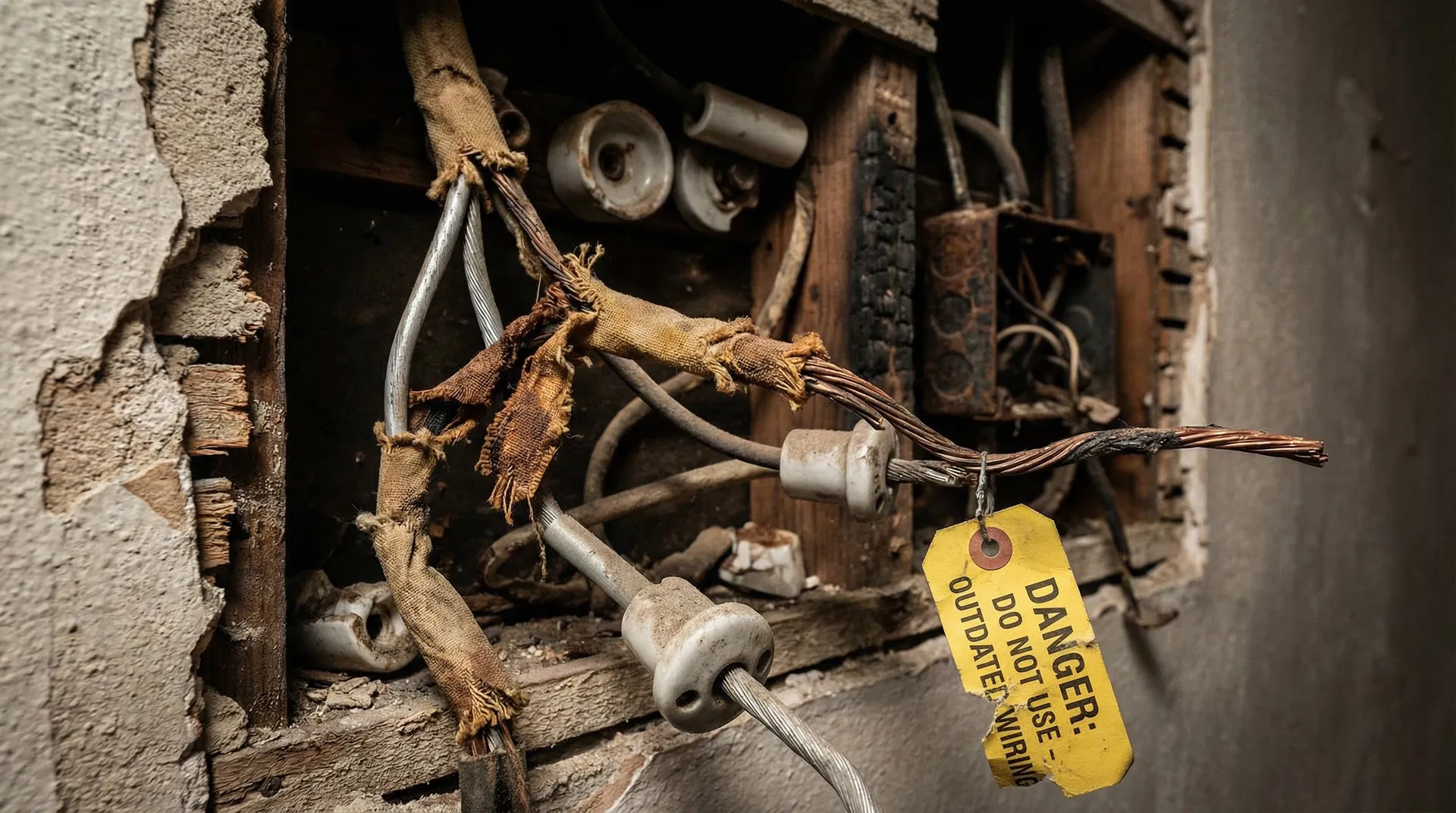
Knob-and-tube wiring was the standard from the 1880s through the 1940s. It consists of individual wires running through ceramic tubes and supported by ceramic knobs. While innovative for its time, knob-and-tube wiring lacks a grounding wire, making it unsafe for modern use. The cloth or rubber insulation deteriorates over time, exposing bare wires. It cannot handle modern electrical loads, and many insurance companies refuse to cover homes with knob-and-tube wiring still in use.
Aluminum wiring was widely used from the mid-1960s through the mid-1970s as a cost-effective alternative to copper. However, aluminum has properties that make it problematic: it expands and contracts more than copper with temperature changes, causing connections to loosen over time. It also oxidizes at connection points, creating resistance and heat. The Consumer Product Safety Commission estimates that homes with aluminum wiring are 55 times more likely to have fire hazards at outlets than homes with copper wiring.
If you're unsure what type of wiring your home has, a licensed electrician can inspect your system and provide recommendations. Homes with knob-and-tube or aluminum wiring should prioritize rewiring to eliminate these fire hazards and bring the electrical system up to modern safety standards.
Warning Sign #7: Two-Prong (Ungrounded) Outlets
If your home still has two-prong outlets instead of modern three-prong grounded outlets, it's a clear sign of an outdated electrical system. Two-prong outlets indicate that your home lacks proper grounding—a critical safety feature that protects against electrical shocks and helps prevent fires.
Grounding provides a safe path for electricity to follow if a fault occurs, directing excess current into the ground rather than through your body or into surrounding materials. Without grounding, electrical faults can energize metal appliance casings, creating shock hazards. Grounding also protects sensitive electronics from power surges and helps circuit breakers trip more reliably when problems occur.
Simply replacing two-prong outlets with three-prong outlets doesn't solve the problem—the underlying wiring must include a ground wire for the system to be truly safe. A licensed electrician can evaluate your wiring and recommend whether you need to add grounding, rewire circuits, or upgrade your entire electrical system to modern standards.
Warning Sign #8: Frequent Electrical Shocks
Receiving mild shocks when you plug in devices or touch appliances is never normal. These shocks indicate grounding problems, deteriorating wiring, or faulty appliances. While the shocks may be mild—just a tingle or small zap—they signal that electricity is finding unintended paths, potentially through your body.
Electrical shocks often result from inadequate grounding, damaged wire insulation that allows current to leak, or faulty outlets where connections have degraded. The shock you feel is electricity seeking the path of least resistance to ground—and if you're touching a grounded object like a water faucet while receiving a shock from an appliance, you become that path.
Don't dismiss electrical shocks as static electricity or minor annoyances. They indicate serious safety problems that could cause severe injury or death under the wrong circumstances. If you experience shocks from outlets, switches, or appliances, stop using them and call a licensed electrician immediately for a comprehensive safety inspection.
Warning Sign #9: Over-Reliance on Extension Cords
If your home relies heavily on extension cords and power strips to provide enough outlets, it's a sign that your electrical system is outdated. Modern households use far more devices than homes were designed for in the past. A home built in the 1960s might have had one or two outlets per room—adequate for a lamp and a clock radio, but woefully insufficient for today's computers, printers, phone chargers, and entertainment systems.
Extension cords and power strips are meant for temporary use, not as permanent wiring solutions. When used long-term, they create safety hazards: cords can fray, connections can loosen, and overloaded power strips can overheat and ignite. The Electrical Safety Foundation International documents many fires that began with overloaded extension cords or power strips used as permanent wiring.
Rewiring allows for additional outlets and better circuit distribution, making daily life more convenient and reducing unnecessary strain on your electrical system. If you find yourself daisy-chaining power strips or running extension cords across rooms, it's time to upgrade your electrical system to meet your actual needs safely.
Warning Sign #10: Lights Burn Out Frequently
If light bulbs in your home burn out more often than they should—especially if certain fixtures seem to go through bulbs constantly—it's often a sign of voltage fluctuations or wiring problems rather than bad luck with bulbs. Modern LED and CFL bulbs are rated to last years, not months. When they fail prematurely, something else is wrong.
Frequent bulb burnout can indicate several problems: voltage fluctuations from poor wiring connections, fixtures that can't handle the bulb wattage, or loose connections causing arcing. Each time a bulb burns out prematurely, it's wasting your money and signaling that your electrical system isn't delivering stable, consistent power.
Pay attention to patterns. If one fixture consistently burns through bulbs while others don't, the problem is likely localized to that fixture or circuit. If bulbs throughout your home fail frequently, it suggests system-wide voltage problems that need professional diagnosis. A licensed electrician can test voltage levels, inspect connections, and identify the root cause of premature bulb failure.
Noticed These Warning Signs?
Don't wait for an electrical emergency. Get a professional safety inspection from licensed electricians available 24/7.
CALL NOW: 888-614-2692Understanding Different Types of Old Wiring
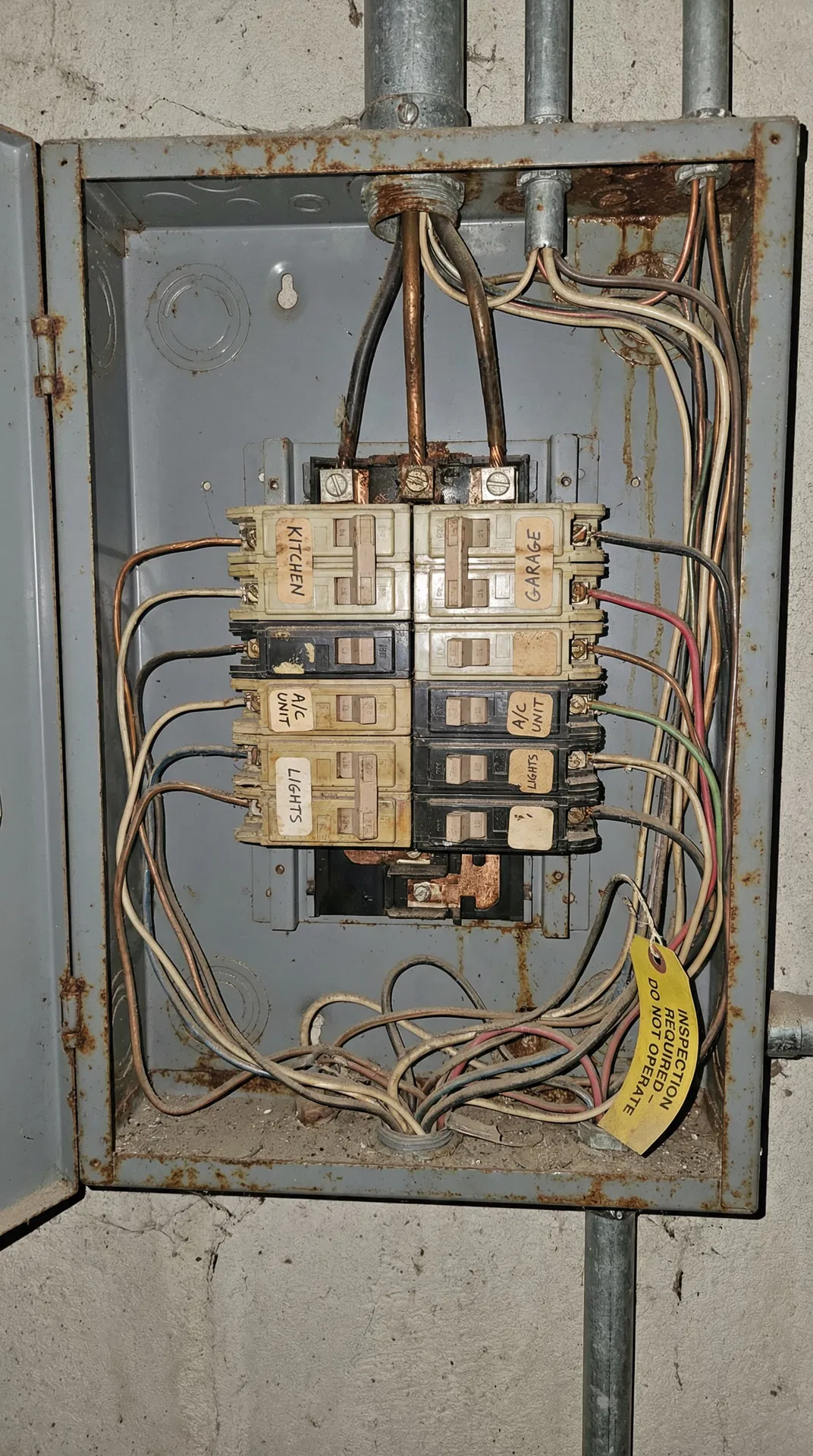
Not all electrical wiring is created equal. Understanding the different types of wiring found in older homes helps you assess your risk level and make informed decisions about rewiring. Here's what you need to know about the most common types of outdated wiring.
Knob-and-Tube Wiring (Pre-1950s Homes)
Knob-and-tube wiring was the standard electrical wiring method from the 1880s through the 1940s. It consists of individual insulated copper conductors running through wall cavities, supported by ceramic knobs and passing through ceramic tubes where they penetrate framing members. While this system was innovative and adequate for its era, it's fundamentally unsafe by modern standards.
The most critical safety issue with knob-and-tube wiring is the lack of a grounding conductor. Modern electrical systems include a ground wire that provides a safe path for fault currents, protecting against shocks and fires. Knob-and-tube systems have no such protection. Additionally, the cloth or rubber insulation used on knob-and-tube wiring deteriorates over time, becoming brittle and falling away to expose bare copper conductors.
Knob-and-tube wiring was designed for much lower electrical loads than modern homes require. It cannot safely support air conditioning, electric heating, or the dozens of electronic devices common in today's homes. Many insurance companies refuse to cover homes with active knob-and-tube wiring, and those that do often charge significantly higher premiums. If your home has knob-and-tube wiring, complete rewiring should be your top priority.
Aluminum Wiring (1960s-1970s Homes)
During the mid-1960s through the mid-1970s, rising copper prices led many builders to use aluminum wiring as a cost-effective alternative. Millions of homes were wired with aluminum during this period. While aluminum wiring itself isn't inherently dangerous when properly installed and maintained, it has properties that create long-term safety concerns.
Aluminum expands and contracts significantly more than copper with temperature changes. Over years of heating and cooling cycles, connections loosen, creating resistance and heat at connection points. Aluminum also oxidizes when exposed to air, forming a layer of aluminum oxide that doesn't conduct electricity well, further increasing resistance and heat generation at connections.
The Consumer Product Safety Commission has documented the fire risks associated with aluminum wiring, estimating that homes wired with aluminum are 55 times more likely to have fire hazards at outlets than homes wired with copper. If your home has aluminum wiring, you have two options: complete rewiring with copper, or professional retrofitting with special connectors and devices rated for aluminum wiring. A licensed electrician can assess your system and recommend the most appropriate solution.
Cloth-Insulated Wiring
From the 1920s through the 1960s, many homes were wired with copper conductors insulated with cloth fabric impregnated with rubber or asphalt compounds. While the copper conductors themselves remain sound, the cloth insulation deteriorates over time, becoming brittle, cracking, and eventually disintegrating to expose bare wires.
Exposed or deteriorating cloth insulation creates serious fire and shock hazards. When insulation fails, bare wires can contact each other, metal junction boxes, or building materials, causing shorts, arcs, and fires. If your home has cloth-insulated wiring and the insulation shows signs of deterioration, rewiring is necessary to restore safe operation. A licensed electrician can inspect your wiring and assess the condition of the insulation to determine whether immediate action is required.
When Should You Rewire Your Home?
Determining when to rewire your home depends on multiple factors: age, wiring type, condition, and your plans for the property. Here are the key guidelines to help you decide whether your home needs rewiring now or in the near future.
Home Age Guidelines
40+ years old: Professional electrical inspection highly recommended. Wiring insulation may be deteriorating, and the system likely wasn't designed for modern electrical loads.
30+ years old: Higher risk for wiring problems. Schedule inspection every 3-5 years to monitor system condition and identify developing issues before they become dangerous.
Pre-1970s construction: Very likely has outdated wiring that doesn't meet current codes. May have aluminum wiring, cloth insulation, or inadequate grounding. Rewiring should be seriously considered.
Pre-1950s construction: Almost certainly needs rewiring. Likely has knob-and-tube wiring, two-prong ungrounded outlets, and insufficient capacity for modern use. Rewiring is essential for safety.
Other Situations Requiring Inspection or Rewiring
Beyond age, several situations warrant electrical inspection or immediate rewiring. If you're planning major home renovations, it's the ideal time to upgrade your electrical system. Opening walls for other work provides easy access to run new wiring without the added expense of cutting into finished surfaces. Many building codes require that renovated areas be brought up to current electrical standards, which may necessitate rewiring even if you hadn't planned for it.
Adding major appliances—especially high-draw items like electric vehicle chargers, hot tubs, or whole-house generators—often requires electrical upgrades. Your existing system may not have the capacity to support these additions safely. A licensed electrician can evaluate whether your current service panel and wiring can handle the additional load or whether upgrades are necessary.
When buying or selling an older home, electrical inspections are critical. Home inspectors routinely flag outdated wiring as a major concern. Buyers may demand rewiring before closing, or they may walk away from the deal entirely. Sellers benefit from addressing electrical issues proactively—it demonstrates good faith, prevents deal-killing surprises, and may increase the home's value and marketability.
Insurance companies increasingly require electrical inspections and upgrades for older homes. Some insurers refuse coverage for homes with knob-and-tube or aluminum wiring, while others charge significantly higher premiums. If your insurer requests an electrical inspection or upgrade, don't delay—your coverage may depend on it.
Inspection Frequency Recommendations
Even if your home doesn't show obvious warning signs, periodic inspections provide peace of mind and catch developing problems early. The Electrical Safety Foundation International recommends electrical inspections every 3-5 years for homes over 30 years old, before buying or selling property, after major renovations or additions, when planning to increase electrical load significantly, and whenever any warning signs appear. These inspections are relatively inexpensive—typically $100-$400—and can identify problems before they cause fires, injuries, or expensive emergency repairs.
Rewiring Costs and Timeline
Understanding the costs and timeline for rewiring helps you budget appropriately and plan for the disruption. Rewiring is a significant investment, but it's far less expensive than rebuilding after an electrical fire, and it provides decades of safe, reliable electrical service.
2026 Rewiring Cost Breakdown
| Home Size | Square Footage | Cost Range | Timeline |
|---|---|---|---|
| Small Home | Under 1,000 sq ft | $2,000 - $5,000 | 3-5 days |
| Medium Home | 1,000 - 2,000 sq ft | $4,000 - $10,000 | 5-7 days |
| Large Home | 2,000 - 3,000 sq ft | $8,000 - $15,000 | 7-10 days |
| Very Large Home | 3,000+ sq ft | $12,000 - $30,000 | 10-14 days |
The average cost to rewire a home in 2026 ranges from $6 to $12 per square foot, with the national average falling around $9,600 to $11,500 for a complete rewire. These costs include labor, materials, permits, and inspections for a standard residential rewiring project.
Factors That Affect Rewiring Costs
Several factors influence the final cost of rewiring your home. Home size and layout are the primary drivers—larger homes require more wire, more outlets, more labor hours, and more time. Complex layouts with multiple stories, finished basements, or difficult-to-access areas increase costs significantly.
Accessibility dramatically affects cost. If walls are already open due to renovations, rewiring costs drop substantially because electricians don't need to cut into finished surfaces or fish wires through closed walls. Conversely, homes with finished walls, plaster, or tile require more labor to access wiring routes and repair surfaces afterward, increasing costs.
Permits and inspections typically add $200 to $500 to the project cost, depending on your location. These aren't optional—electrical work requires permits in virtually all jurisdictions, and final inspections ensure the work meets code. Skipping permits may save money initially but creates serious problems when selling your home or filing insurance claims.
Panel upgrades are often necessary when rewiring older homes. Upgrading from a 60-amp or 100-amp service to a modern 200-amp service adds $1,100 to $2,500 to the project cost but is essential for safely powering modern homes. Many rewiring projects include panel upgrades because the old panel is inadequate or obsolete.
Additional outlets, switches, and circuits increase costs but improve functionality. Adding outlets costs $50 to $150 each, depending on type and location. GFCI outlets for bathrooms and kitchens, dedicated circuits for major appliances, and additional lighting circuits all add to the total but make your home safer and more convenient.
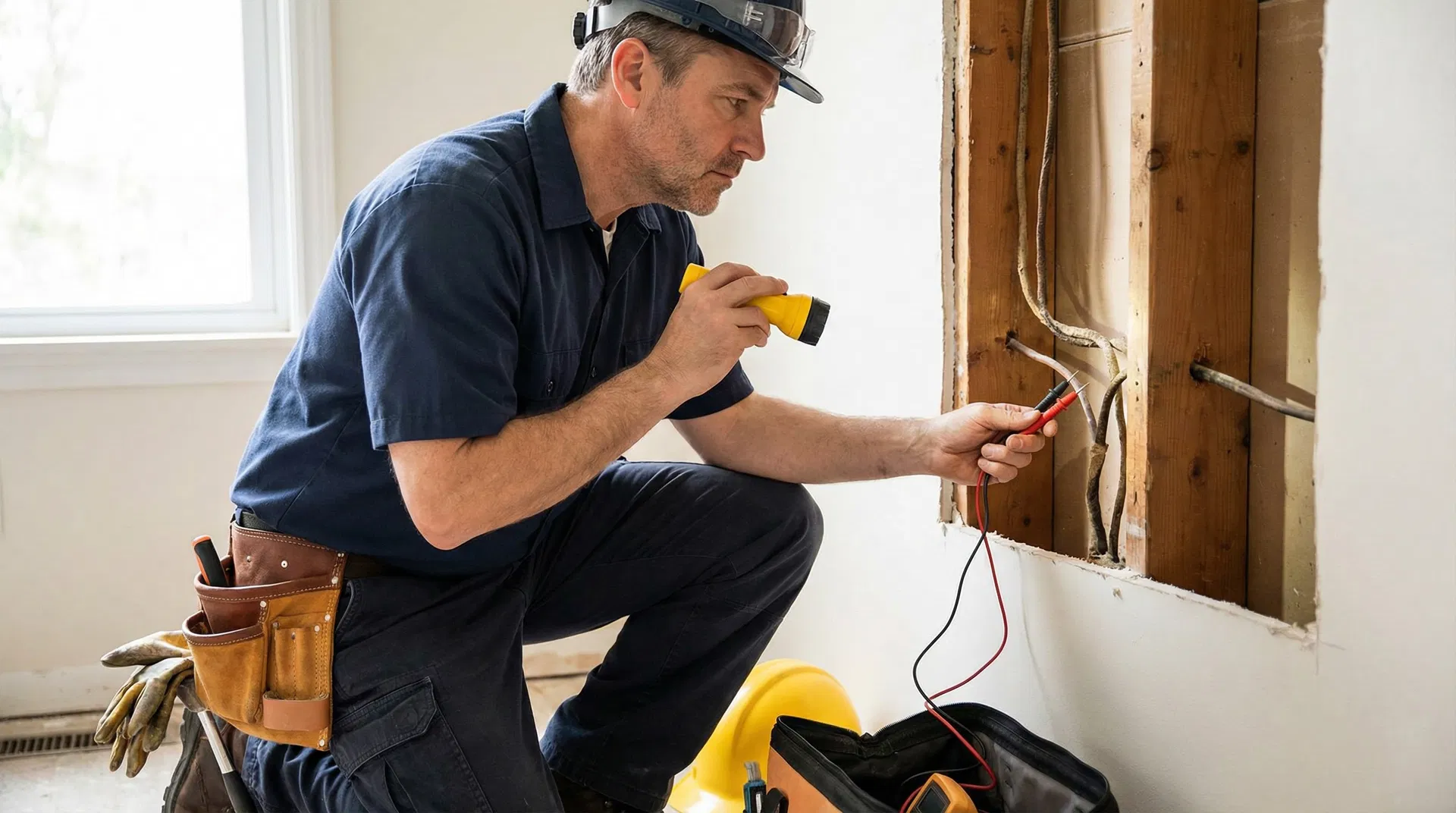
Get Your Rewiring Quote Today
Upfront pricing from licensed professionals. Free electrical safety inspection with every quote.
CALL NOW: 888-614-2692Benefits of Rewiring Your Home
While rewiring represents a significant investment, the benefits extend far beyond simply avoiding electrical fires. A modern, properly installed electrical system improves safety, functionality, home value, and quality of life in ways that justify the cost many times over.
Safety Benefits
The most important benefit of rewiring is eliminating fire hazards from old, deteriorating wiring. New wiring with intact insulation, proper grounding, and adequate capacity dramatically reduces the risk of electrical fires. Modern circuit breakers and GFCI/AFCI protection provide multiple layers of safety that old systems lack.
Proper grounding protects against electrical shocks by providing a safe path for fault currents. This is especially important in bathrooms, kitchens, and outdoor areas where water and electricity coexist. Ground Fault Circuit Interrupter (GFCI) outlets detect ground faults and shut off power in milliseconds, preventing potentially fatal shocks.
Meeting current electrical codes ensures your system incorporates the latest safety standards developed from decades of research and real-world experience. Code requirements exist because they save lives—rewiring brings your home up to these proven safety standards.
Functional Benefits
Beyond safety, rewiring dramatically improves how your electrical system performs. Consistent power delivery means lights don't dim, appliances run properly, and sensitive electronics receive clean, stable power. This extends the life of your devices and prevents the frustration of inconsistent performance.
Modern electrical systems support today's demands without strain. You can run your air conditioning, charge your electric vehicle, use your computer, and operate kitchen appliances simultaneously without worrying about overloaded circuits or tripped breakers. The system works as it should—reliably and invisibly.
Rewiring allows you to add outlets where you need them, eliminating the need for extension cords and power strips. Dedicated circuits for major appliances ensure they receive the power they need without affecting other devices. USB outlets, smart home wiring, and other modern conveniences can be incorporated during rewiring.
Financial Benefits
Rewiring increases your home's value and marketability. Buyers pay premium prices for homes with updated electrical systems, and many refuse to consider homes with outdated wiring. A modern electrical system is a strong selling point that differentiates your property from comparable homes with old wiring.
Some home sales cannot proceed without rewiring. Home inspectors flag outdated wiring as a major concern, and buyers either walk away or demand that you rewire before closing. Addressing electrical issues proactively prevents deal-killing surprises and may allow you to command a higher price.
Insurance companies often require electrical upgrades for older homes and may offer lower premiums for homes with modern wiring. Some insurers refuse coverage entirely for homes with knob-and-tube or aluminum wiring. Rewiring can make your home insurable and reduce your insurance costs.
Partial vs. Full Rewiring
Not every home needs a complete rewire. Understanding the difference between partial and full rewiring helps you make informed decisions about your electrical system and budget appropriately for the work your home actually needs.
Partial Rewiring
Partial rewiring addresses specific problem areas or circuits while leaving the rest of the system intact. This approach is appropriate when only certain areas show signs of deterioration, when you're renovating specific rooms, or when budget constraints prevent a full rewire.
Common partial rewiring projects include updating kitchen and bathroom circuits to meet current code, replacing aluminum wiring in specific areas, adding dedicated circuits for major appliances, or rewiring rooms being renovated.
Cost savings: Partial rewiring costs 30-60% less than full rewiring, making it accessible when budgets are tight. However, it's only appropriate when the rest of the system is in good condition.
Full Rewiring
Full rewiring replaces the entire electrical system from the service panel to every outlet, switch, and fixture. This comprehensive approach is necessary when old wiring is widespread, when the home has knob-and-tube or aluminum wiring throughout, or when the existing system is inadequate for modern needs.
Full rewiring provides a complete, modern electrical system that meets all current codes, supports all your electrical needs, and provides decades of reliable service. It's the long-term solution that eliminates electrical concerns entirely.
Best for: Homes over 40 years old, homes with knob-and-tube or aluminum wiring, homes showing multiple warning signs, or homes being extensively renovated.
Professional Assessment
A licensed electrician can inspect your system and recommend whether partial or full rewiring is appropriate. They'll evaluate wiring condition, identify safety hazards, assess capacity, and provide detailed estimates for both options. This professional assessment ensures you make the right decision based on your home's actual condition rather than guesswork.
What to Expect During Rewiring
Understanding the rewiring process helps you prepare for the work and know what to expect at each stage. While rewiring is disruptive, modern techniques and careful planning minimize the impact on your daily life.
The Rewiring Process
Rewiring begins with a comprehensive inspection and assessment. The electrician examines your current system, identifies problems, determines the scope of work needed, and develops a detailed plan. They'll discuss your needs, explain options, and provide a written estimate that breaks down costs for labor, materials, permits, and any additional work.
Before work begins, the electrician obtains necessary permits from your local building department. Permits ensure the work meets code requirements and includes inspections to verify safety. While permits add cost and time, they're essential for legal compliance and protect you by ensuring professional oversight.
The actual rewiring work typically proceeds in phases to minimize disruption. Electricians often work room by room or circuit by circuit, allowing you to maintain power in most of the house while specific areas are being rewired. They'll coordinate with you to schedule work around your needs and minimize inconvenience.
After completing the wiring work, a final inspection by the building department verifies that everything meets code. The inspector checks connections, tests circuits, verifies proper grounding, and ensures all safety requirements are met. Only after passing inspection is the work considered complete.
Living in Your Home During Rewiring
In most cases, homeowners can remain in their homes during rewiring. Electricians work in phases, maintaining power to most areas while specific circuits are being replaced. You'll experience temporary power outages in work areas, but the rest of your home remains functional.
Prepare work areas by moving furniture away from walls, removing wall decorations, and clearing access to outlets and switches. Cover remaining furniture with drop cloths to protect from dust. Electricians will do their best to minimize mess, but some dust and debris are inevitable when working inside walls.
Plan for temporary inconveniences like limited outlet access, occasional power outages, and workers in your home. Good communication with your electrician helps coordinate work around your schedule and ensures you know what to expect each day.
After Completion
Once rewiring is complete and has passed final inspection, you'll have a modern, safe electrical system. The electrician will provide documentation including permits, inspection certificates, and warranty information. Keep these documents with your home records—they're valuable when selling your home and may be required by insurance companies. Your new electrical system should provide decades of safe, reliable service with minimal maintenance beyond periodic inspections.
Common Rewiring Myths
Several myths about electrical rewiring prevent homeowners from taking necessary action. Understanding the truth behind these misconceptions helps you make informed decisions about your home's electrical safety.
Myth #1: "If it's working, it's fine"
Reality: Electrical problems develop quietly behind walls long before they cause obvious failures. By the time you notice major problems, dangerous conditions may have existed for years. Old insulation deteriorates gradually, connections loosen slowly, and fire hazards build over time. "Working" doesn't mean "safe."
The warning signs discussed in this guide exist precisely because electrical systems give subtle hints before catastrophic failure. Waiting for complete failure means waiting until the danger is imminent. Preventive maintenance and proactive rewiring save lives and property.
Myth #2: "Replacing outlets fixes wiring problems"
Reality: New outlets connected to old, dangerous wiring don't solve the underlying problem. The wiring behind the walls—where you can't see it—is where fires start. Replacing visible components creates a false sense of security while leaving the actual hazards untouched.
Similarly, replacing a breaker that trips frequently doesn't address why it's tripping—it just masks the symptom. Patchwork fixes on old systems are like putting a new steering wheel on a car with a failing engine. The real problem remains hidden and dangerous.
Myth #3: "Rewiring is too disruptive"
Reality: Modern rewiring techniques minimize disruption significantly. Electricians work in phases, use specialized tools to fish wires through walls with minimal cutting, and coordinate schedules to accommodate your needs. Most homeowners remain in their homes during rewiring with only temporary inconveniences.
Yes, rewiring involves some disruption—but it's temporary and manageable. Compare a week of controlled inconvenience to the catastrophic disruption of an electrical fire that destroys your home and potentially kills family members. The perspective makes the choice clear.
Myth #4: "All old wiring is equally dangerous"
Reality: While age is a risk factor, condition matters more than age alone. Well-maintained copper wiring from the 1960s may be safer than poorly maintained wiring from the 1990s. The type of wiring, installation quality, maintenance history, and current condition all affect safety.
This is why professional inspection is essential. A licensed electrician can assess your specific system's condition and provide recommendations based on actual risk rather than age alone. Some old wiring can be maintained safely; other old wiring needs immediate replacement. Only inspection reveals the truth.
Frequently Asked Questions
How do I know if my home needs rewiring?
Look for the ten warning signs discussed in this guide: frequent breaker trips, flickering lights, warm outlets, burning smells, buzzing sounds, outdated wiring types, two-prong outlets, electrical shocks, over-reliance on extension cords, and frequently burning-out bulbs. If your home is over 40 years old or shows any of these signs, schedule a professional electrical inspection. A licensed electrician can assess your system's condition and provide specific recommendations.
How much does it cost to rewire a house in 2026?
Rewiring costs range from $2,000 to $30,000 depending on home size. Small homes (under 1,000 sq ft) cost $2,000-$5,000, medium homes (1,000-2,000 sq ft) cost $4,000-$10,000, large homes (2,000-3,000 sq ft) cost $8,000-$15,000, and very large homes (3,000+ sq ft) cost $12,000-$30,000. The average cost is $6-$12 per square foot. Factors affecting cost include home size, accessibility, permits, panel upgrades, and the number of new outlets and circuits.
How long does rewiring take?
Rewiring timelines depend on home size and complexity. Small homes take 3-5 days, medium homes take 5-7 days, large homes take 7-10 days, and very large homes take 10-14 days. Factors that extend timelines include difficult access, extensive damage requiring repair, complex layouts, and coordination with other renovation work. Your electrician will provide a detailed timeline based on your specific project.
Can I stay in my home during rewiring?
Yes, in most cases homeowners can remain in their homes during rewiring. Electricians work in phases, maintaining power to most areas while specific circuits are being replaced. You'll experience temporary power outages in work areas, but the rest of your home remains functional. Some homeowners choose to stay with family or in a hotel for a few days to avoid the disruption, but it's not usually necessary.
What is knob-and-tube wiring and why is it dangerous?
Knob-and-tube wiring was the standard electrical wiring method from the 1880s through the 1940s. It consists of individual wires running through ceramic tubes and supported by ceramic knobs. It's dangerous because it lacks grounding protection, the insulation deteriorates over time exposing bare wires, it cannot safely handle modern electrical loads, and many insurance companies refuse to cover homes with active knob-and-tube wiring. If your home has knob-and-tube wiring, complete rewiring should be your top priority.
Is aluminum wiring safe?
Aluminum wiring used in homes built during the 1960s and 1970s creates fire hazards due to its properties. Aluminum expands and contracts more than copper, causing connections to loosen over time. It also oxidizes at connection points, creating resistance and heat. The Consumer Product Safety Commission estimates that homes with aluminum wiring are 55 times more likely to have fire hazards at outlets. While aluminum wiring can be made safer with proper retrofitting, complete rewiring with copper is the best long-term solution.
Do I need a full rewire or just partial?
The answer depends on your home's specific condition. Partial rewiring is appropriate when only certain areas show problems, when renovating specific rooms, or when budget constraints exist. Full rewiring is necessary when old wiring is widespread, when the home has knob-and-tube or aluminum wiring throughout, or when the system is inadequate for modern needs. A licensed electrician can inspect your system and recommend the appropriate solution based on actual conditions rather than guesswork.
Will rewiring increase my home value?
Yes, rewiring increases home value and marketability. Buyers pay premium prices for homes with updated electrical systems and often refuse to consider homes with outdated wiring. A modern electrical system is a strong selling point that differentiates your property. Some home sales cannot proceed without rewiring—home inspectors flag outdated wiring, and buyers demand updates before closing. Rewiring also affects insurance eligibility and may lower insurance premiums.
How often should I have my electrical system inspected?
The Electrical Safety Foundation International recommends electrical inspections every 3-5 years for homes over 30 years old. You should also schedule inspections before buying or selling property, after major renovations or additions, when planning to significantly increase electrical load, and whenever any warning signs appear. These inspections are relatively inexpensive ($100-$400) and can identify problems before they cause fires, injuries, or expensive emergency repairs.
What happens if I don't rewire when needed?
Delaying necessary rewiring increases the risk of electrical fires, which cause an average of 24,200 residential fires, 295 deaths, 900 injuries, and $1.2 billion in property damage annually. You may also face insurance cancellation or denial, inability to sell your home, failed home inspections, and expensive emergency repairs when failures occur. The longer you wait, the more dangerous the situation becomes and the more expensive repairs may be. Electrical problems don't improve with time—they only get worse.
Ready for a Professional Electrical Inspection?
Licensed, insured electricians available 24/7. Comprehensive safety assessment with upfront pricing and no surprises.
CALL NOW: 888-614-2692Protect Your Home and Family Today
The ten warning signs discussed in this guide exist for one reason: to save lives. Electrical fires claim hundreds of lives and cause over a billion dollars in damage every year, but most of these tragedies are preventable. By recognizing the warning signs early and taking action before disaster strikes, you protect your most valuable assets—your home and the people in it.
Don't dismiss flickering lights, warm outlets, or frequent breaker trips as minor annoyances. These are your electrical system's way of crying for help. Don't wait for a burning smell or visible scorch marks—by then, you're dangerously close to a fire. And don't assume that because your system has "always been that way," it's safe. Electrical problems develop gradually, giving you time to act—but only if you recognize the signs and take them seriously.
If your home is over 40 years old, has knob-and-tube or aluminum wiring, or shows any of the warning signs discussed in this guide, schedule a professional electrical inspection today. The cost of an inspection—typically $100 to $400—is insignificant compared to the cost of an electrical fire or the value of your family's safety. A licensed electrician can assess your system's condition, identify hazards, and provide specific recommendations tailored to your home.
Rewiring is an investment in safety, functionality, and peace of mind. Yes, it costs money. Yes, it causes temporary disruption. But it provides decades of safe, reliable electrical service and eliminates the constant worry about whether your wiring might fail catastrophically. When you consider that electrical fires destroy homes and kill people every day, the decision becomes clear: rewiring isn't an expense—it's essential protection for everything you value.
Don't wait for an emergency. Don't gamble with your family's safety. If you've noticed any warning signs or if your home is old enough to have outdated wiring, take action today. Call a licensed electrician, schedule an inspection, and get the professional assessment you need to make informed decisions about your home's electrical safety. Your family's lives may depend on it.