TL;DR - Quick Summary
Understanding electrical costs helps you budget effectively and avoid overpaying. Here's what you need to know about electrical work pricing in 2026:
- Average hourly rates: $50-$130/hour depending on electrician type and location
- Common services: Outlets ($200-$300), switches ($85-$200), panel upgrades ($1,100-$2,500)
- Cost factors: Location, time of service, complexity, accessibility, permits
- Emergency services: Add $100-$200 plus 50-100% surcharge on labor
- Get 3-5 written quotes for major projects to compare pricing
- Red flags: No written estimate, cash-only, significantly below market rate
Electrical work costs vary dramatically based on project type, electrician experience, location, and timing. Understanding these pricing factors helps you budget accurately, compare quotes effectively, and avoid overpaying for electrical services. Whether you need a simple outlet installation or a complete panel upgrade, knowing what to expect prevents sticker shock and helps you make informed decisions.
The electrical services industry uses multiple pricing models—hourly rates, flat fees, and per-project pricing—making it challenging to compare costs across different electricians. Some charge $50 per hour while others charge $150, and both might be fair depending on their qualifications, location, and the complexity of your project. This comprehensive guide breaks down all the pricing variables so you can evaluate quotes with confidence.
In 2026, electrical work costs have increased due to rising material prices, stricter code requirements, and higher labor costs. However, competitive markets and transparent pricing from professional electricians mean homeowners who do their research can still find excellent value. This guide provides current pricing data, cost breakdowns for common services, and strategies to maximize your investment in electrical work.
Average Electrician Costs Overview

The national average cost to hire an electrician ranges from $163 to $536 per job, with most homeowners paying around $300 for standard electrical work. However, this broad range reflects the enormous variety in electrical projects—from replacing a single outlet to rewiring an entire home. Understanding the baseline costs helps you evaluate whether a quote is reasonable for your specific project.
Most electricians charge hourly rates between $50 and $130 per hour in 2026, though rates in major metropolitan areas frequently exceed $150 per hour for master electricians. These hourly rates typically cover labor only, with materials, permits, and disposal fees billed separately. Some electricians offer flat-rate pricing for common services, which provides cost certainty but may be higher than hourly rates for quick jobs.
Nearly all electricians charge a minimum service call fee of $70 to $150, which covers their travel time, vehicle costs, insurance, and initial diagnostic work. This minimum typically includes one to four hours of labor, meaning even a 30-minute job costs the same as a two-hour job if the electrician's minimum is two hours. This pricing structure makes it economical to bundle multiple small electrical tasks into a single service call rather than scheduling separate visits.
Project complexity dramatically affects total costs. Simple tasks like installing an outlet or replacing a switch take one to two hours and cost $150 to $300. Moderate projects like ceiling fan installation or light fixture replacement take two to four hours and cost $300 to $600. Major projects like panel upgrades or whole-house rewiring take multiple days and cost $2,000 to $10,000 or more depending on home size and accessibility.
Hourly Rates by Electrician Type
Electrician licensing follows a tiered system, with each level representing different training, experience, and capabilities. Understanding these distinctions helps you hire the right professional for your project and understand why hourly rates vary so significantly. Hiring an overqualified electrician wastes money, while hiring an underqualified one risks poor workmanship and safety issues.
| Electrician Type | Experience Level | Hourly Rate | Best For |
|---|---|---|---|
| Apprentice | Training under supervision, 1-4 years experience | $40-$60/hour | Assisting with basic installations, running wire |
| Journeyman | Licensed professional, 4-8 years experience | $60-$90/hour | Standard repairs, installations, troubleshooting |
| Master Electrician | Highest certification, 8+ years experience | $90-$120/hour | Complex projects, panel upgrades, system design |
Apprentice electricians work under direct supervision and cannot perform electrical work independently. They're learning the trade through hands-on experience and classroom education. While their hourly rates are lower, you're typically paying for both the apprentice and their supervising journeyman or master electrician, so the total labor cost may not be significantly lower. Apprentices are appropriate for basic tasks like running wire, drilling holes, and assisting with installations.
Journeyman electricians have completed their apprenticeship, passed state licensing exams, and can perform most electrical work independently. They handle the majority of residential electrical projects including outlet and switch installation, light fixture replacement, circuit troubleshooting, and minor panel work. Journeyman rates of $60 to $90 per hour represent the sweet spot for most homeowners—qualified professionals at reasonable prices.
Master electricians have the highest level of training and can design electrical systems, supervise other electricians, and pull permits for major projects. They're required for complex work like panel upgrades, service entrance replacement, whole-house rewiring, and commercial electrical installations. Their $90 to $120 per hour rates reflect their expertise, liability, and ability to handle projects that journeymen cannot legally perform. For major projects, the master electrician's experience often saves money by completing work faster and avoiding costly mistakes.
Common Electrical Services & Costs
Understanding typical costs for common electrical services helps you evaluate quotes and budget for your project. The following pricing reflects 2026 national averages for professional, licensed electricians. Actual costs in your area may be 20-30% higher or lower depending on local market conditions, but significant deviations from these ranges warrant additional quotes or explanations.
| Service | Average Cost | Typical Duration |
|---|---|---|
| Install Standard Outlet | $200-$300 | 1-2 hours |
| Install GFCI Outlet | $200-$300 | 1-2 hours |
| Install Light Switch | $85-$200 | 1-2 hours |
| Install Dimmer Switch | $100-$250 | 1-2 hours |
| Install USB Outlet | $200-$300 | 1-2 hours |
| Install Light Fixture | $155-$955 | 1-3 hours |
| Install Ceiling Fan | $140-$350 | 2-4 hours |
| Install Recessed Lighting (per light) | $200-$250 | 2-3 hours |
| Install Chandelier | $300-$2,000 | 2-4 hours |
| Replace Circuit Breaker | $150-$250 | 1-2 hours |
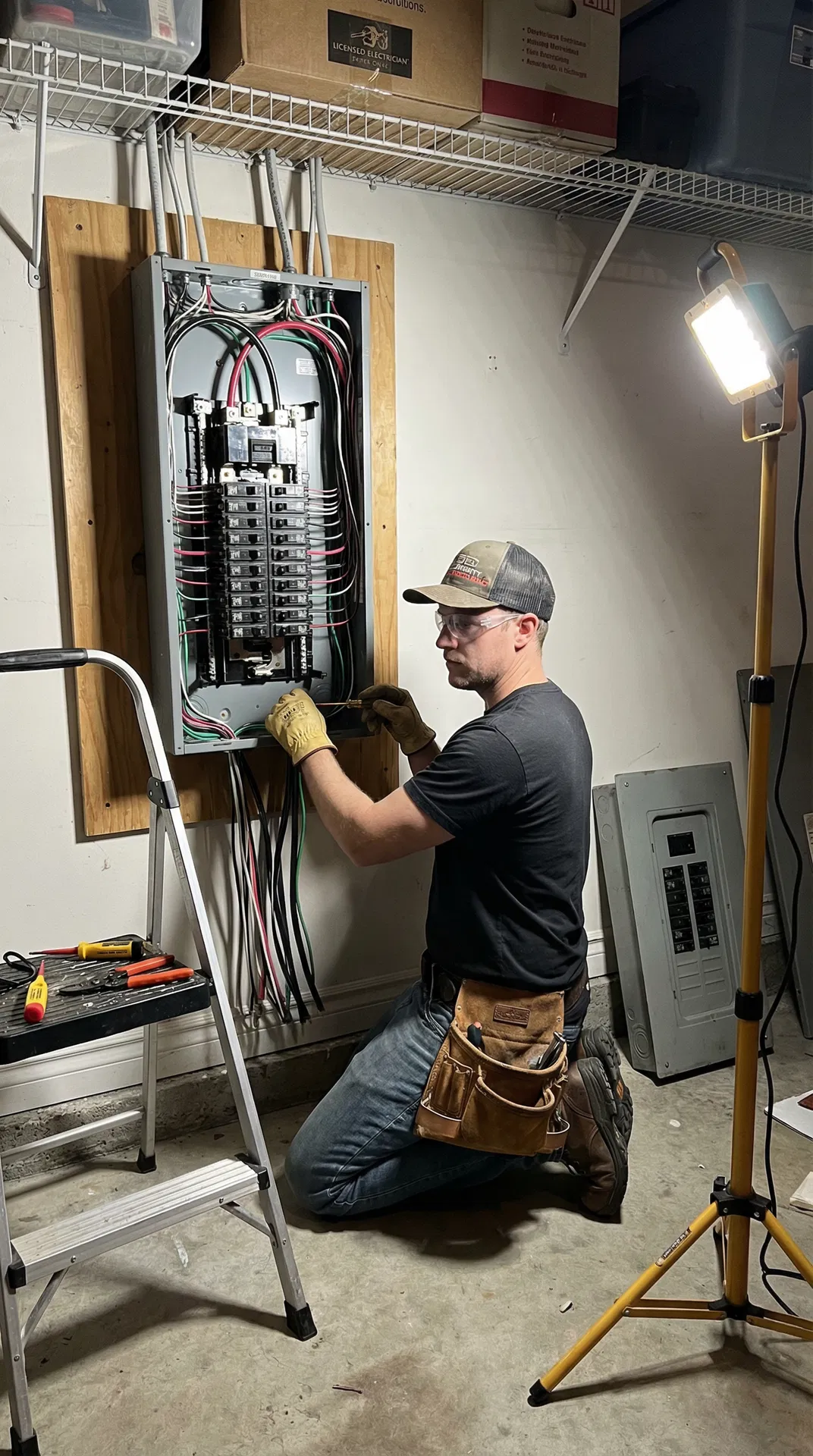
| Upgrade Electrical Panel (100 to 200 amp) | $1,100-$2,500 | 4-8 hours |
| Install Sub-Panel | $500-$1,000 | 3-6 hours |
| Electrical Panel Inspection | $100-$200 | 1 hour |
| Rewire Single Room | $1,500-$3,000 | 8-16 hours |
| Rewire Entire House | $1,500-$10,000 | 3-10 days |
| Install Generator | $3,500-$11,000 | 6-12 hours |
| Generator Repair | $250-$500 | 2-4 hours |
| Install EV Charger | $800-$2,000 | 3-6 hours |
| Install Home Automation System | $750-$3,000 | 4-12 hours |
| Home Electrical Inspection | $280-$400 | 2-3 hours |
These prices include both labor and basic materials for standard installations. Premium materials, smart home integration, or custom finishes increase costs by 20-50%. Complex installations requiring additional wiring, structural modifications, or code compliance upgrades add $200 to $1,000 or more depending on the scope of additional work required.
Duration estimates assume normal working conditions with reasonable access to electrical panels, attics, and crawl spaces. Difficult access, outdated wiring requiring replacement, or unexpected code violations discovered during work extend project timelines and increase costs. Professional electricians provide time estimates during the quote process and notify you immediately if conditions require additional work beyond the original scope.
Need a Detailed Quote for Your Electrical Project?
Connect with licensed, insured electricians who provide upfront pricing with no hidden fees. Get your detailed quote today.
CALL NOW: 888-614-2692Cost Factors That Affect Your Bill
Multiple variables influence electrical work costs beyond the basic service type. Understanding these factors helps you anticipate total project costs and explains why two seemingly identical jobs might have significantly different prices. Professional electricians consider all these factors when providing estimates, and transparent contractors explain how each affects your specific project.
Location and Regional Markets
Geographic location dramatically affects electrical costs due to differences in cost of living, labor markets, licensing requirements, and competition. Urban electricians in major metropolitan areas charge $100 to $150 per hour or more, while rural electricians typically charge $50 to $100 per hour. However, rural electricians often add travel fees of $50 to $150 for homes outside their primary service area, partially offsetting their lower hourly rates.
Time of Service
Scheduling electrical work during regular business hours (Monday through Friday, 8 AM to 5 PM) provides the lowest rates. After-hours service during evenings adds a 25-50% surcharge to standard rates. Weekend work typically costs 50-100% more than weekday rates. Emergency service available 24/7 adds an additional $100 to $200 flat fee plus potentially doubled hourly rates. True emergencies—burning smells, sparking outlets, or complete power loss—justify these premiums, but non-urgent work scheduled during regular hours saves substantial money.
Project Complexity
Simple electrical tasks like replacing outlets or switches in accessible locations cost less because they require minimal time, basic materials, and straightforward techniques. Complex projects involving panel upgrades, circuit additions, or whole-house rewiring require extensive planning, multiple trips, specialized tools, and master electrician expertise. Complexity also increases when working with outdated wiring systems, aluminum wiring requiring special techniques, or knob-and-tube wiring requiring complete replacement for safety and code compliance.
Accessibility Issues
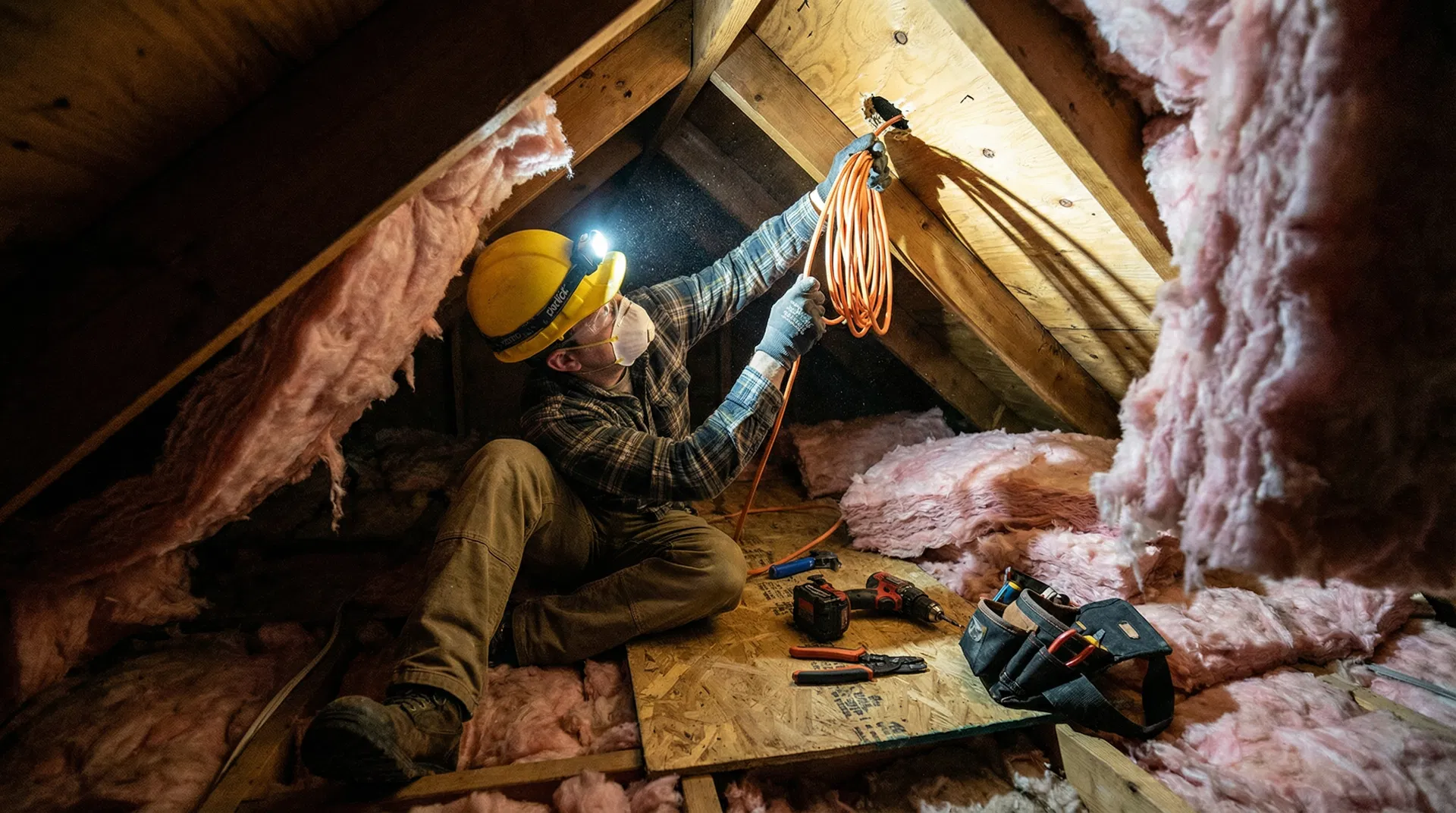
Easy access to electrical panels, junction boxes, and wiring routes keeps costs down. Difficult access—crawl spaces, finished ceilings requiring drywall removal, attics with minimal clearance, or exterior walls requiring siding removal—increases labor time by 20-50%. Electricians charge for the additional time spent navigating tight spaces, removing and replacing building materials, and working in uncomfortable conditions. Providing clear access before the electrician arrives saves money and reduces project duration.
Permits and Inspections
Most electrical work beyond simple device replacement requires permits from your local building department. Permit fees range from $50 to $300 depending on project scope and jurisdiction. Professional electricians include permit costs in their quotes and handle all paperwork and inspection scheduling. Inspection fees add another $100 to $200 but ensure work meets current electrical codes. Skipping required permits saves money initially but creates serious problems when selling your home, filing insurance claims, or if unpermitted work causes fires or injuries.
Materials Quality
Standard-grade electrical materials meet code requirements and provide reliable performance at reasonable prices. Mid-grade materials offer better durability, aesthetics, and features for 20-30% more cost. Premium and smart home products cost 2-3 times standard pricing but provide advanced functionality, remote control, energy monitoring, and integration with home automation systems. Discuss material options with your electrician to balance budget constraints with desired features and long-term value.
Regional Pricing Differences
Electrical work costs vary significantly by region due to differences in cost of living, labor availability, licensing requirements, and market competition. Understanding regional pricing helps you evaluate whether quotes align with local market rates rather than comparing your local quotes to national averages that may not reflect your area's economic conditions.
High-Cost Regions ($100-$200/hour)
San Francisco Bay Area: $125-$200/hour
New York City: $120-$180/hour
Los Angeles: $110-$170/hour
Seattle: $100-$160/hour
Mid-Cost Regions ($70-$130/hour)
Dallas/Houston: $80-$130/hour
Phoenix: $75-$125/hour
Atlanta: $70-$120/hour
Denver: $80-$130/hour
Lower-Cost Regions ($50-$100/hour)
Rural Midwest: $50-$90/hour
Small Southern Towns: $55-$95/hour
Rural Areas: $50-$100/hour (plus travel fees)
These regional differences reflect local economic conditions, not quality differences. A $60-per-hour electrician in rural Kansas provides the same licensing, training, and expertise as a $150-per-hour electrician in San Francisco—the price difference reflects their respective costs of doing business. When evaluating quotes, compare them to other local electricians rather than national averages to determine whether pricing is competitive for your specific market.
When You'll Pay More
Certain circumstances predictably increase electrical work costs beyond standard pricing. Recognizing these situations helps you budget appropriately and decide whether premium pricing is justified or whether rescheduling or alternative approaches might save money without compromising safety or quality.
Emergency Services
True electrical emergencies—burning smells from outlets or panels, sparking wires, complete power loss, or hot electrical panels—require immediate professional attention regardless of cost. Emergency electricians charge $100 to $200 additional service fees plus 50-100% surcharges on their standard hourly rates. This premium pricing compensates electricians for 24/7 availability, immediate response, and disruption to their schedules. However, many situations homeowners perceive as emergencies—a single non-functioning outlet, a tripped breaker, or a flickering light—can safely wait for regular business hours at standard rates.
After-Hours and Weekend Work
Scheduling electrical work during evenings, weekends, or holidays costs significantly more than regular business hours. Evening service (after 5 PM) typically adds 25-50% to standard rates. Weekend work adds 50-100% surcharges. Holiday service can double or triple normal pricing. Unless you're facing a genuine emergency or have scheduling constraints that justify premium pricing, waiting for regular business hours saves substantial money with no compromise in work quality.
Code Compliance Upgrades
Electrical codes evolve to improve safety, and work on existing systems often triggers requirements to bring related components up to current code. Installing a new outlet in a bathroom might require upgrading all bathroom outlets to GFCI protection. Panel work might require adding arc-fault circuit interrupters (AFCIs) to bedroom circuits. These mandatory upgrades add $200 to $1,000 or more to project costs but significantly improve electrical safety and are legally required for permitted work.
Unexpected Conditions
Electrical work sometimes reveals hidden problems—damaged wiring, corroded connections, outdated panels, or previous DIY work that violates code. Professional electricians must address these issues for safety and code compliance, adding unplanned costs to your project. Reputable electricians document these conditions with photos, explain why additional work is necessary, and provide revised estimates before proceeding. While unexpected costs are frustrating, addressing hidden electrical problems prevents future failures, safety hazards, and more expensive emergency repairs.
Get Your Quote from Licensed Pros
24/7 emergency service available. Upfront pricing with no surprises. Licensed, insured electricians ready to help.
CALL NOW: 888-614-2692How to Get Accurate Estimates

Accurate estimates prevent budget overruns and ensure you're comparing equivalent services when evaluating multiple electricians. Professional electricians provide detailed written estimates after inspecting your property and understanding your specific requirements. The estimate process also reveals the electrician's professionalism, communication style, and attention to detail—important factors beyond just price.
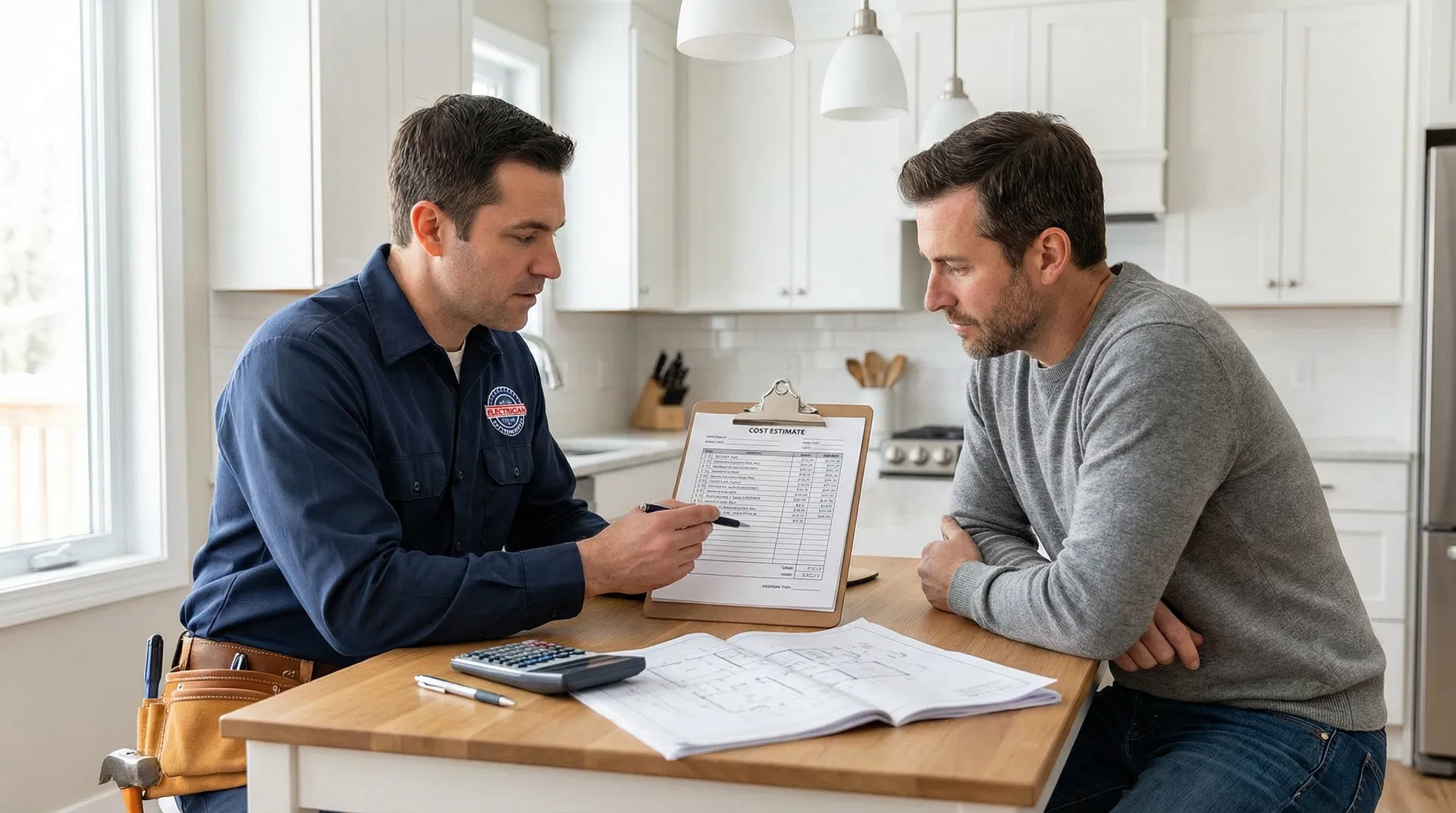
Request Written Estimates
Always insist on written estimates that itemize labor, materials, permits, and any additional fees. Verbal estimates create misunderstandings and provide no documentation if disputes arise. Written estimates should specify the scope of work, timeline, payment terms, warranty coverage, and what happens if unexpected conditions require additional work. Professional electricians provide detailed written estimates as standard practice—reluctance to provide written documentation is a significant red flag.
Get Multiple Quotes
Obtain 3-5 quotes for major electrical projects to understand fair market pricing in your area. Multiple quotes reveal pricing ranges, different approaches to the same problem, and which electricians provide the most thorough analysis and detailed estimates. However, don't automatically choose the lowest bid—extremely low quotes often indicate cut corners, unlicensed work, or plans to add charges later. Focus on value, qualifications, and detailed scope rather than just the bottom-line price.
Understand Pricing Models
Electricians use different pricing approaches. Hourly rates charge for actual time spent plus materials, providing flexibility but less cost certainty. Flat-rate pricing sets a fixed price for specific services regardless of time required, offering predictability but potentially higher costs for quick jobs. Per-project pricing provides a total cost for complex work after detailed assessment. Each model has advantages—discuss pricing structure during the estimate process to understand exactly what you're paying for and when payment is due.
Ask the Right Questions
During the estimate process, ask about licensing and insurance, experience with similar projects, timeline and availability, warranty coverage, what's included versus additional charges, payment schedule, and how they handle unexpected conditions. Professional electricians welcome these questions and provide clear, confident answers. Evasive responses, pressure to sign immediately, or reluctance to provide references indicate potential problems and warrant additional quotes from other electricians.
Cost-Saving Strategies
Smart planning and strategic timing reduce electrical work costs without compromising safety or quality. These proven strategies help homeowners maximize value while ensuring professional, code-compliant electrical work that protects their homes and families.
Bundle Multiple Jobs
Electricians charge minimum service fees that cover one to four hours of labor regardless of actual time spent. Bundling multiple small tasks—replacing several outlets, installing multiple light fixtures, adding switches—into a single visit maximizes the value of that minimum fee. Create a list of all electrical tasks you've been postponing and schedule them together rather than paying separate minimum fees for each individual job.
Schedule During Regular Hours
Avoiding emergency, after-hours, weekend, and holiday service saves 25-150% on labor costs. Unless you're facing a genuine safety emergency, schedule electrical work during regular business hours (Monday through Friday, 8 AM to 5 PM). Most electrical issues that seem urgent can safely wait a day or two for standard-rate service. The money saved often exceeds $200-$500 for typical projects.
Do Prep Work Yourself
Reduce billable hours by handling non-electrical preparation tasks yourself. Clear access to electrical panels, attics, and crawl spaces. Move furniture away from work areas. Remove old light fixtures if you're comfortable doing so (after turning off power at the breaker). Provide clear directions and parking access. These simple steps can save 30-60 minutes of billable time at $50-$150 per hour.
Consider Off-Season Scheduling
Electrical contractors experience slower periods during winter months in many regions. Some offer discounts or more flexible scheduling during these off-peak times. Ask about seasonal pricing or availability for non-urgent projects that can wait for slower periods. The savings may be modest (5-10%) but require no compromise in work quality.
Maintain Your Electrical System
Regular maintenance prevents expensive emergency repairs. Schedule periodic electrical inspections every 3-5 years to identify potential problems before they cause failures. Address minor issues promptly before they escalate into major problems. Keep electrical panels accessible and properly labeled. These proactive measures cost less than emergency service calls and extend the life of your electrical system.
Ask About Discounts
Many electricians offer discounts for seniors, military veterans, first-time customers, or referrals. Some provide seasonal promotions or package deals for multiple services. Simply asking about available discounts can save 5-15% on your project cost. Professional electricians appreciate customers who ask directly rather than assuming no discounts are available.
Red Flags for Pricing Scams
Unscrupulous contractors use various tactics to overcharge homeowners or provide substandard work at seemingly attractive prices. Recognizing these warning signs protects you from fraud, poor workmanship, and potential safety hazards. When you encounter these red flags, obtain additional quotes from other licensed electricians before proceeding.
Warning Signs to Watch For:
No Written Estimate
Verbal quotes create disputes and provide no documentation. Professional electricians always provide detailed written estimates.
Significantly Below Market Rate
Quotes 50%+ below other estimates indicate unlicensed work, substandard materials, or plans to add charges later.
Cash-Only Payments
Legitimate businesses accept multiple payment methods. Cash-only requirements suggest tax evasion or unlicensed operation.
No License or Insurance Verification
Cannot or will not provide license number and insurance certificates. Always verify credentials before hiring.
Large Upfront Payment Required
Requests 50%+ payment before starting work. Standard practice is 0-25% deposit with balance due upon completion.
Pressure to Sign Immediately
"Today only" pricing or pressure tactics. Professional electricians give you time to review estimates and check references.
No Itemized Breakdown
Vague lump-sum pricing without details. Legitimate estimates itemize labor, materials, permits, and fees separately.
Refuses to Pull Permits
Suggests skipping required permits to "save money." Unpermitted work creates serious problems when selling or filing insurance claims.
No References Available
Cannot provide recent customer references or online reviews. Established electricians have verifiable track records.
Unmarked Vehicle or No Business Address
Arrives in personal vehicle with no company branding. No verifiable business address or phone number.
Trust your instincts—if something feels wrong about an electrician's pricing, professionalism, or approach, obtain additional quotes. The few hours spent getting additional estimates can save thousands of dollars and prevent dangerous electrical work that puts your home and family at risk. Professional, licensed electricians welcome scrutiny and provide transparent pricing, detailed documentation, and verifiable credentials.
Ready to Hire a Licensed Electrician?
Get transparent pricing from licensed, insured professionals. Available 24/7 for emergencies. Call now for your detailed quote.
CALL NOW: 888-614-2692Frequently Asked Questions
How much does an electrician charge per hour in 2026?
Electrician hourly rates in 2026 range from $50 to $130 nationally, with apprentices charging $40-$60/hour, journeymen charging $60-$90/hour, and master electricians charging $90-$120/hour. Urban areas typically see rates of $100-$150/hour or more, while rural areas average $50-$100/hour. These rates cover labor only, with materials, permits, and fees billed separately.
What is the average cost to install an electrical outlet?
Installing a standard electrical outlet costs $200-$300 including labor and materials. GFCI outlets for bathrooms and kitchens cost the same range. USB outlets and smart outlets cost $200-$300. These prices assume normal installation conditions with existing wiring and accessible locations. Adding new circuits or running new wiring increases costs to $400-$800 per outlet.
How much does it cost to upgrade an electrical panel?
Upgrading an electrical panel from 100 amps to 200 amps costs $1,100-$2,500 on average. This includes the new panel, labor, permits, and inspection fees. Factors affecting cost include panel location, accessibility, required code upgrades, and whether the service entrance also needs replacement. Panel upgrades require master electrician expertise and typically take 4-8 hours to complete.
Do electricians charge a minimum service fee?
Yes, most electricians charge a minimum service call fee of $70-$150 that covers 1-4 hours of labor regardless of actual time spent. This minimum compensates for travel time, vehicle costs, insurance, and the opportunity cost of smaller jobs. The minimum fee typically applies to the total bill, so a 30-minute job and a 2-hour job cost the same if the minimum is 2 hours. Bundling multiple tasks into one visit maximizes the value of this minimum fee.
How much more do emergency electrical services cost?
Emergency electrical service adds $100-$200 to the base service call fee plus 50-100% surcharges on standard hourly rates. A $100/hour electrician might charge $150-$200/hour for emergency service, plus the additional emergency fee. After-hours service (evenings) adds 25-50% to standard rates. Weekend service adds 50-100%. Holiday service can double or triple normal pricing. True emergencies justify these premiums, but non-urgent issues should wait for regular business hours.
Should I hire an apprentice or master electrician?
Hire based on project complexity. Apprentices ($40-$60/hour) work under supervision and handle basic tasks. Journeymen ($60-$90/hour) perform most residential electrical work independently including repairs, installations, and troubleshooting. Master electricians ($90-$120/hour) are required for complex projects like panel upgrades, service entrance work, and whole-house rewiring. For standard repairs and installations, a licensed journeyman provides excellent value. For major projects, a master electrician's expertise prevents costly mistakes.
How can I save money on electrical work?
Bundle multiple jobs into one service call to maximize the minimum fee value. Schedule during regular business hours to avoid 25-150% surcharges for after-hours, weekend, or emergency service. Do prep work yourself—clear access, move furniture, provide parking. Get 3-5 quotes for major projects to ensure competitive pricing. Ask about discounts for seniors, military, or first-time customers. Address electrical issues promptly before they escalate into expensive emergencies. Schedule non-urgent work during off-peak seasons when some electricians offer discounts.
What should be included in an electrical estimate?
A proper electrical estimate should include itemized labor costs with hourly rates and estimated hours, detailed materials list with quantities and costs, permit and inspection fees, any additional charges for disposal or cleanup, total project cost, payment schedule, project timeline, warranty coverage, and what happens if unexpected conditions require additional work. The estimate should specify the scope of work in detail and be provided in writing. Vague lump-sum pricing without itemization is a red flag.
Why do electrician costs vary so much by location?
Location affects electrical costs due to differences in cost of living, labor market conditions, licensing requirements, insurance costs, and market competition. Urban electricians in major cities charge $100-$200/hour to cover higher overhead costs, while rural electricians charge $50-$100/hour reflecting lower operating expenses. However, rural electricians often add travel fees for remote locations. Regional pricing differences reflect local economic conditions, not quality differences—a $60/hour electrician in rural Kansas provides the same training and licensing as a $150/hour electrician in San Francisco.
How much does it cost to rewire a house?
Whole-house rewiring costs $1,500-$10,000 depending on home size, accessibility, and complexity. The national average is $6-$12 per square foot. A 1,500 sq ft home typically costs $4,000-$8,000 to rewire. Factors affecting cost include whether walls need to be opened, attic and crawl space access, number of circuits required, panel upgrade needs, and local permit and inspection fees. Rewiring takes 3-10 days and requires a master electrician. While expensive, rewiring eliminates fire hazards from outdated wiring and brings the electrical system up to current code.
Make Informed Electrical Decisions
Understanding electrical work costs empowers you to budget accurately, evaluate quotes effectively, and hire qualified professionals with confidence. The pricing information in this guide reflects 2026 market conditions and helps you distinguish between fair pricing and potential overcharges. Remember that the lowest quote isn't always the best value—focus on licensed professionals who provide detailed estimates, transparent pricing, and verifiable credentials.
Electrical work directly impacts your home's safety, functionality, and value. Investing in professional, code-compliant electrical work from licensed electricians protects your family, prevents costly future repairs, and ensures your electrical system operates reliably for decades. The money saved by hiring unlicensed workers or skipping required permits creates far greater risks and expenses than the initial cost savings.
When you're ready to hire an electrician, get multiple written quotes, verify licensing and insurance, check references, and ask detailed questions about scope, timeline, and pricing. Professional electricians welcome scrutiny and provide clear, confident answers. Trust your instincts—if something feels wrong about an electrician's approach or pricing, obtain additional quotes. The time invested in proper due diligence pays dividends through quality work, fair pricing, and peace of mind.